Hyperbaric oxygen therapy is certainly getting more press than it used to. Is it so simple that something as basic as breathing can be a massive healer? While we know breathing is crucial to every aspect of our lives, the next step is using oxygen as therapy to benefit our friends in the animal kingdom. This is where hyperbaric oxygen therapy for pets comes into its own. Hyperbaric oxygen therapy and veterinary medicine are working together to create a strong partnership to benefit everyone’s pets. Let’s highlight the benefits of hyperbaric oxygen therapy and specifically how it can help in animals such as man’s best friend, the dog.
Interested in offering hyperbaric oxygen therapy at your veterinarian clinic?
Call: 850-510-2781
What is Hyperbaric Oxygen Therapy?
Hyperbaric oxygen therapy, also known as HBOT, is something that is conducted in humans to treat decompression sickness, which can result from scuba diving or diseases that need a high level of oxygen in the blood to treat the condition. The therapeutic process requires patients to lie in an airtight chamber, and oxygen is dissolved in the blood which goes to the tissues. But it has started to make waves in the veterinary world. Using hyperbaric medicine for pets to treat diseases and disorders, such as wound healing and even neurological disorders, has become a game-changer.
The Use Of Hyperbaric Medicine for Veterinary Patients
HBOT has been tested on animals since 1998 when the earliest documentation of therapeutic use was made. While it has not been as widespread, news of sporadic treatments have appeared in veterinary literature, and now, there are more than 40 hyperbaric chambers used for pets in the United States.
The Hyperbaric Oxygen Therapy Procedure in Dogs
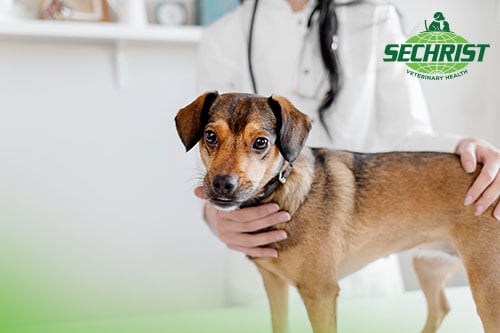 As a HBOT investment for veterinarians is made cost efficient by Sechrist Hyperbaric Animal Chambers, local vets will want the reassurance that the therapies provided will be of benefit to animals as much as they are to humans. So how does the process work for man’s best friend?
Before treatment, the dog’s general health is evaluated, including checking for normal body temperature. An increase in body temperature could cause toxicity due to an increase in oxygen uptake. Metal objects such as IV catheters are removed or covered with a cotton bandage, and the dog is wetted down to reduce the chance of static shock or a spark igniting the chamber due to the presence of pure oxygen.
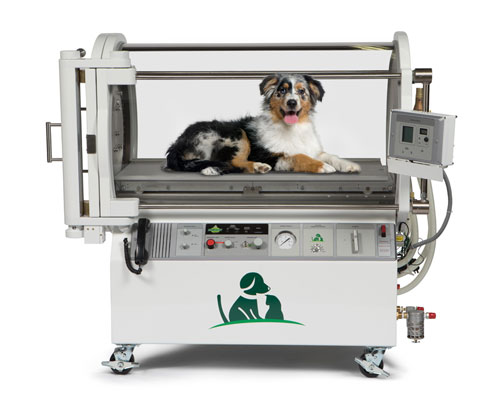
The treatment process is where the dog is placed inside a chamber, lying on a soft blanket. The air pressure in the chamber is gradually increased over 15 minutes and can last from one to two hours depending on the condition being treated. After the treatment, a period for decompression is conducted over a 15-minute time period. This is repeated twice a day until there is an improvement in the dog’s condition. The major question is if the dog is uncomfortable during the treatment. As the tube is spacious enough for the dog and they can be made as comfortable as possible, in conjunction with the gradual application of oxygen, the dog feels nothing. The course of treatment goes between five and ten days, and at least four hours between each individual treatment.
How Effective is Hyperbaric Oxygen Therapy in Dogs?
 Many veterinarians view this type of treatment as experimental, and while it is relatively new to veterinary medicine, hyperbaric oxygen therapy for veterinarians is being increasingly used. Hyperbaric oxygen therapy has been used to treat a wide variety of conditions, from snake bites, infected wounds, all the way through to conditions like inflammation. The recovery process for pets and dogs is swift and relatively minuscule. But dogs can experience illness after HBOT treatment.
Why Should A Veterinarian Purchase A Hyperbaric Oxygen Chamber?
Due to the wide variety of research conducted into HBOT as a veterinary tool, evidence exists of The optimization of tissue repair, as well as healing neurologic conditions, inflammatory or autoimmune disorders, as well as helping with cancer. Due to a considerable range of conditions each animal can suffer during the course of their lives, a treatment that is swift and effective is crucial. From the perspective of any veterinarian looking to treat a long-standing condition, there can be a lot of stress as far as minimizing the spread of disease is concerned. We are firmly in the age of alternative therapies, and as humans, we have been experimenting (or biohacking) for some time, but due to the wide range of applications associated with hyperbaric oxygen treatments, it’s likely that there will be increased positive feedback. In fact, veterinarians will expand their referral base with HBOT and from the perspective of any pet owner that is looking for a comprehensive treatment for their best friend, but have not tried alternative therapies, you can offer holistic hyperbaric oxygen treatment for pets.
When we look at it from the perspective of a pet owner, we have to remember that they are only after the best for their beloved pet. If their dog is getting older and is starting to succumb to the ravages of age, it is important to provide as much comfort as possible. The heartache and stress we see in any pet owner’s eyes when we have to tell them that their beloved pet, who has been by their side for years, been present at the momentous changes in the owner’s life, and is now having their life cruelly cut short, it is a look that we will never forget the first time we see it. If you can offer hyperbaric medicine at your veterinary clinics, you may stand the chance of seeing a far happier outcome for pets and owners alike.
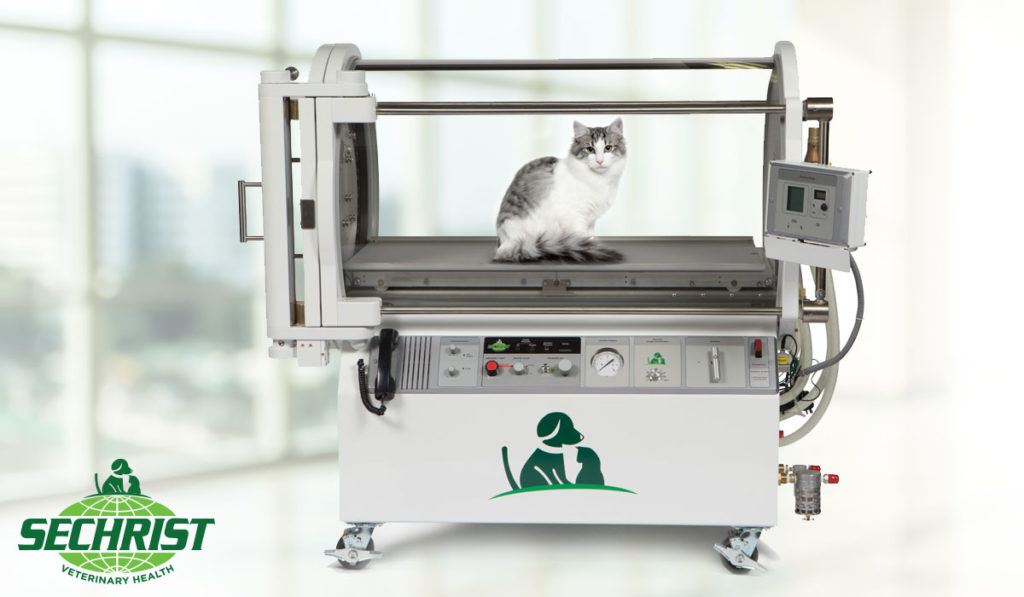
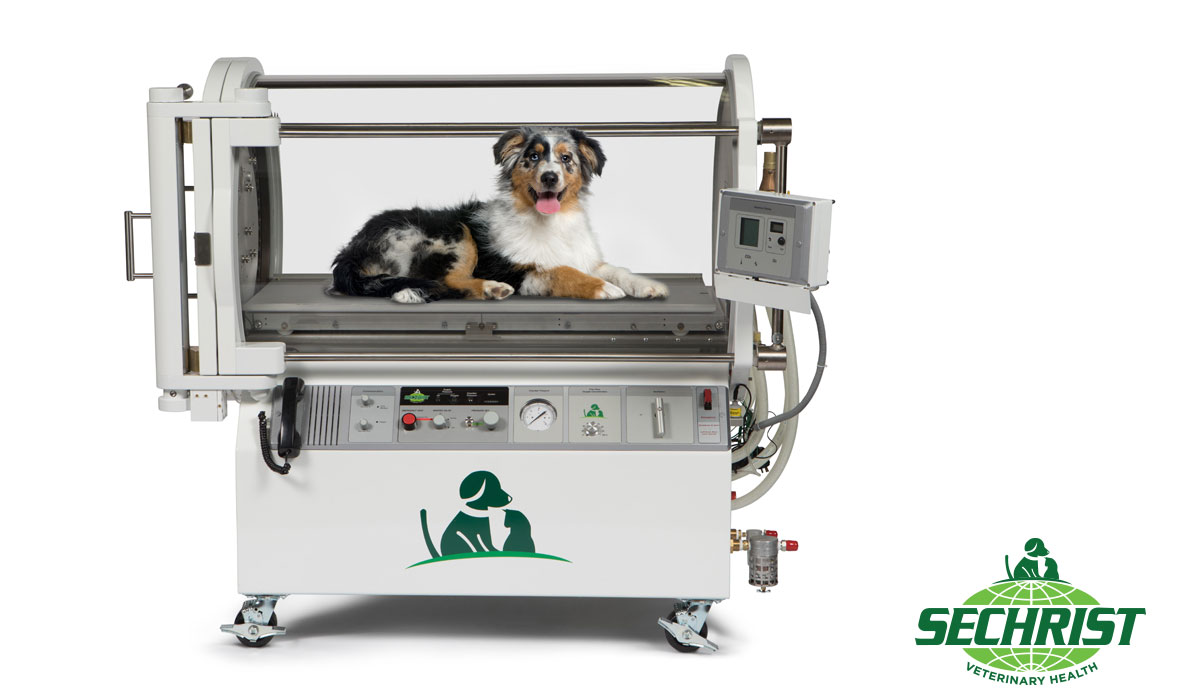
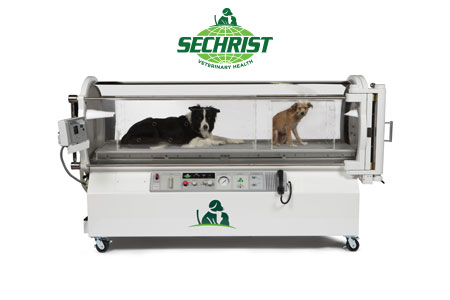
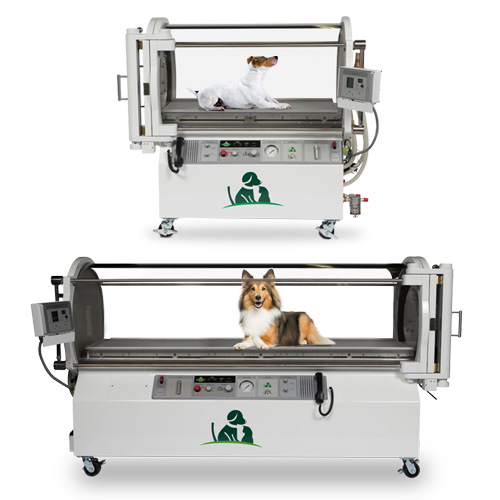
We provide the model sv250 Sechrist hyperbaric veterinary chamber as well as the model sv500 Sechrist hyperbaric veterinary chamber, and if you or a veterinary practice is looking for a relatively new treatment that can work towards healing a wide range of ailments and diseases, we are a hyperbaric chamber manufacturer that can aid your practice in a new and exciting treatment that has far-reaching clinical implications for man and man’s best friend.
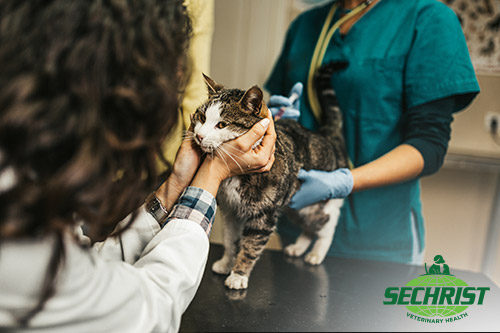 Such things as rapid healing can be achieved via hyperbaric oxygen therapy. Ensuring that animals are kept safe and secure in a containment chamber, which is then flooded with oxygen, can ensure your hospital moves pets in and out as fast as you need to. And because of the rapid healing element, the patients you’re caring for are unlikely to be at discomfort because of this fast paced system.
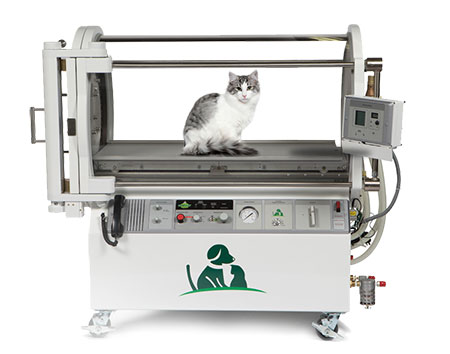 This model of hyperbaric chamber has a lot of features to it. One of the most notable is the fact that it’s a Class C chamber, meaning this model has been specifically engineered to meet your needs as a veterinarian, and the needs of the patient you’re currently screening.
 With HBOT, an animal will get 20 times more oxygen circulating in plasma. There are different types of chambers available. One is a monoplace, or you can use multiplace chambers. An advantage of a monoplace chamber is that it can be set up in just about any practice because it doesn’t take up a lot of space. Typically, you’ll have one patient at a time using it. The multiplace chamber is huge, and you’ll need to make extra room for it, usually outside your building.
 The
The 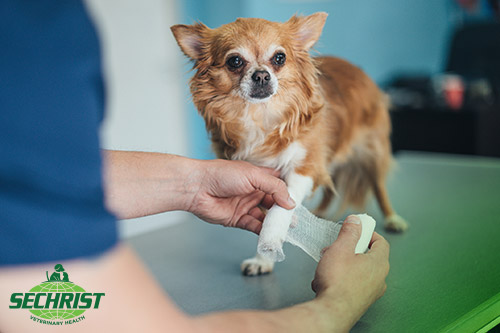 A burn is often described as a zone of coagulation, surrounded by an area of stasis, and bordered by erythema. This process has been known to alter macrophage function, mostly during the first 12 to 24 hours after the burn having taken place. The injury can sometimes be in a kind of flux for up to 72 hours, partly because of the usual lack of oxygenation.
 Hyperbaric treatment is highly effective in reducing edema, decreasing fluid requirements, preserving dermal structures and generally increasing immune response. There is also a reduced mortality rate, something that your clients are going to be particularly concerned about of course, and which as a practice you will be keen to manage as well. It also makes it less likely that the animal will have to stay in for surgery in order to heal from the burn.
 We have two
 Any veterinarian who has dealt with a case of Acute Respiratory Distress first-hand knows how awful it can be. If those pets have any chance at all, it is by your investment in a veterinary hyperbaric oxygen therapy chamber. It may not be cheap, but because oxygen is such an important element and the fact this machine can administer it as if it were an intravenous fluid means it can be a lifesaver. It has the effect of giving the patient an almost instant ability to breathe and stay alive. Also, veterinary hyperbaric oxygen therapy helps the patient recover from the underlying condition more quickly, as well. This is due to the fact that oxygen is vital in repairing the body. So, the next time one of your patients come in suffering from ARDS, instead of watching them die by uselessly using outdated technology, put them immediately in the HBOT chambers for pets. You then have a much better chance of saving that life instead of watching it fade away.
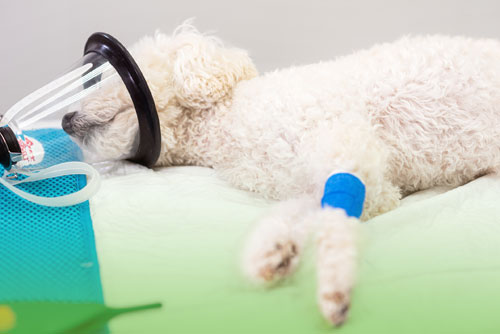 In the majority of cases, the technology that most veterinary’s still have is simply not good enough for all your customer needs. Aging technology such as the oxygen masks, for example, are just simply not up to the job of injecting oxygen back into the blood of your patients. Oxygen masks have a low flow of oxygen and a slow increase of oxygen tension. This is it’s only purpose, and it does not perform the job it is designed for with any sort of efficiency. They also have the affliction of having an unacceptable level of CO2 build-up within them. In addition, heat and humidity tend to build up too, meaning they become quite uncomfortable for the customer’s pets. Other old technology, such as nasal catheters, can’t stop the animal from breathing through their mouths, so how much benefit are they actually receiving from the catheter? There is also flow by oxygen, masks, e-collar with a plastic wrap, all of which are inept at delivering your patients the required oxygen they desperately need.
 Purchasing a veterinary hyperbaric oxygen therapy unit for your veterinary surgery is a no brainer. Oxygen is such an important element. The fact is that not only do your customers need it to breathe and stay alive when they come in with illnesses such as pulmonary edema, but it is also a hugely vital element in terms of healing wounds. So, when your patients come in suffering from a horrible shortness of breath episode, you need to be able to offer the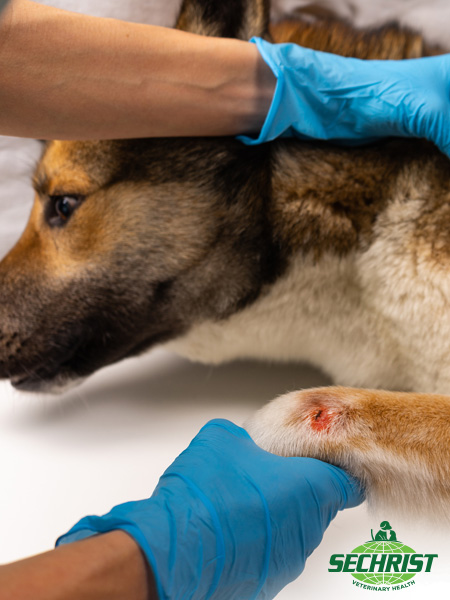
 As specialists in
 Whether looking to use our
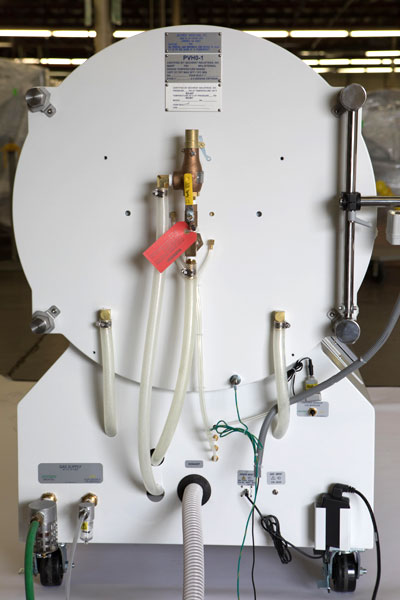 Hyperbaric animal chambers are incredible pieces of technology, but in order to perform at the highest level, they need to be installed and set up in the right manner. Failure in any of these areas compromises their quality and has an impact during treatments. If you want to provide pets with the best support during their recoveries, only a professional installation will suffice.