There are many kinds of problems that clients will bring in their pets for, ranging from the simple to the severe. One of the more concerning issues that are likely to arise from time to time is something along the lines of canine pancreatitis. This is a serious condition which needs some considerable treatment if the animal is to continue to live happily and healthily, and you are going to want to make sure that you are offering the best treatment available for that. Let’s take a look at this in some detail to determine how you might go about doing that and how offering hyperbaric oxygen therapy will help with pancreatitis and increase your referral base.
Interested in offering hyperbaric oxygen treatment at your veterinarian clinic?
Call: 850-510-2781
Pancreatitis In Animals
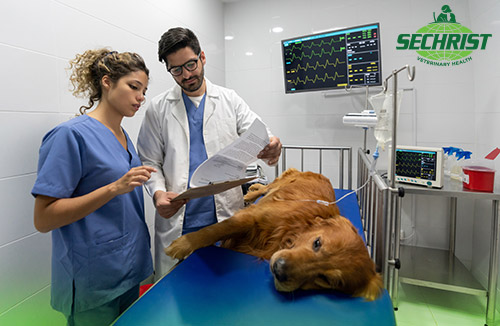 Pancreatitis in an inflammatory disease that can affect many animals of many kinds – not just humans, but also many of the species that will be brought into your veterinary practice every day. In truth, it can be either mild or severe, acute or chronic, but it is always an important issue that needs dealing with as fully as possible and as early on as possible. In severe cases, pancreatitis can be associated with peripheral and systemic secondary alterations, which in turn can lead to some serious problems including multiple organ failure. However, the pancreas has a good ability for healing, and acute pancreatitis can usually be treated quite effectively in most cases, regardless of the animal in question.
When pancreatitis occurs in domestic animals, it can have a range of potential causes and predisposing factors, and as such it can often be hard to pinpoint down exactly why it has occurred. Moreover, the signs and symptoms vary greatly depending on how fast the disease has progressed, so it can be something that looks different from one day to the next.
With this being such a concern for so many veterinarians, as well as the pets who are patients and the people bringing those animals into your clinic, it is important that you have a good means of treating it. And one of the best means of treating pancreatitis in animals is through the use of hyperbaric oxygen therapy, which is especially useful in the case of acute pancreatitis. Let’s take a look at that in a little more detail.
The Benefits Of Hyperbaric Oxygen Therapy For Pancreatitis
There are a range of strong benefits of hyperbaric oxygen therapy when it comes to treating pancreatitis in animals. Of course, it is generally true that early treatment will generally produce the best results, and hyperbaric treatment is usually used in conjunction with other kinds of treatments at the same time in order to ensure that the animal has the best chance of recovery.
The use of hyperbaric oxygen therapy in pancreatitis can support microvascular health and vessel integrity, which is important as pancreatitis is known to cause microcirculatory alterations. The disease also causes tissue hypoxia, and hyperbaric treatment can help with increasing tissue oxygenation, thereby reducing the level of hypoxia. It also reduces CO2 and lactate, and a reduction in tissue edema. It is an anti-inflammatory, which is obviously important as pancreatitis, like so many other diseases, is inflammatory in nature. It has also helped as a therapy in reducing platelet aggregation, and reducing apoptosis. Finally, hyperbaric oxygen therapy acts as an analgesic, which is important as pancreatitis does generally cause considerable abdominal pain for the animal.
Application Of Hyperbaric Oxygen In Animals
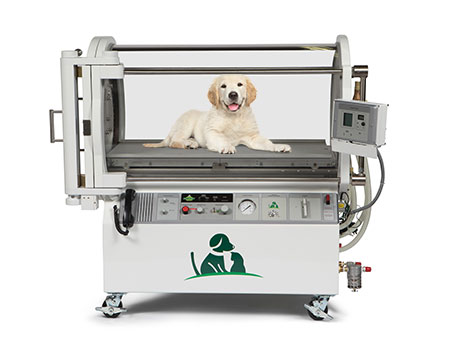 Clearly, there are many benefits to using holistic hyperbaric therapy for animals with pancreatitis. It is also important to know just how it is applied, as the wrong kind or amount of application can either cause problems or simply mean that it is not going to work. This will of course depend on the size of the animal. Generally for small animals, it will require 30 minutes at 10-14 psi on the first day, sometimes twice on the first day if the condition is more severe. Then it will be 30 minutes at 14.7 once a day for about 2-3 days after that, depending on how the response is going for the specific animal.
The Use Of Hyperbaric Chambers
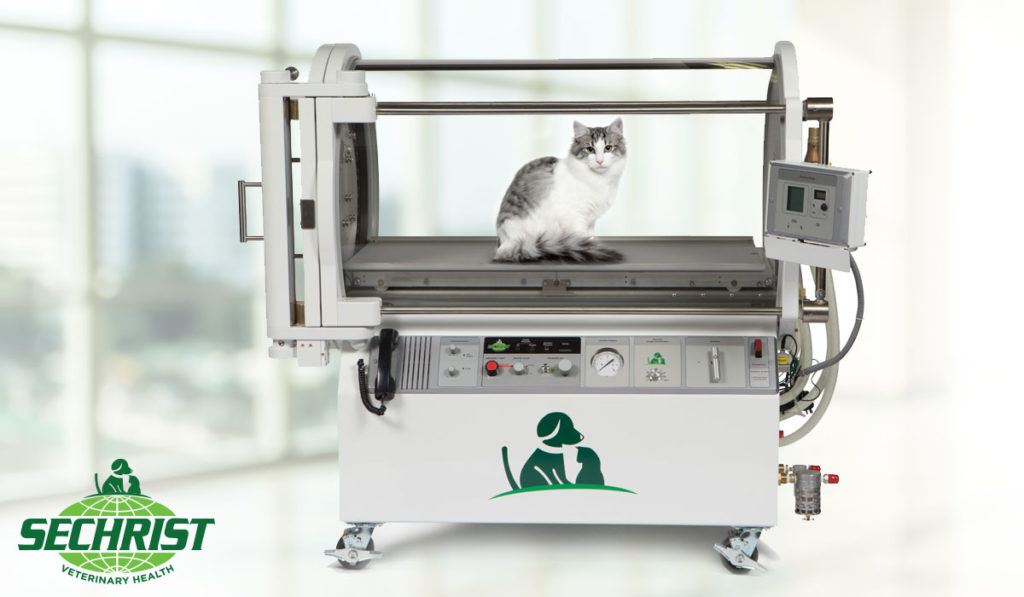
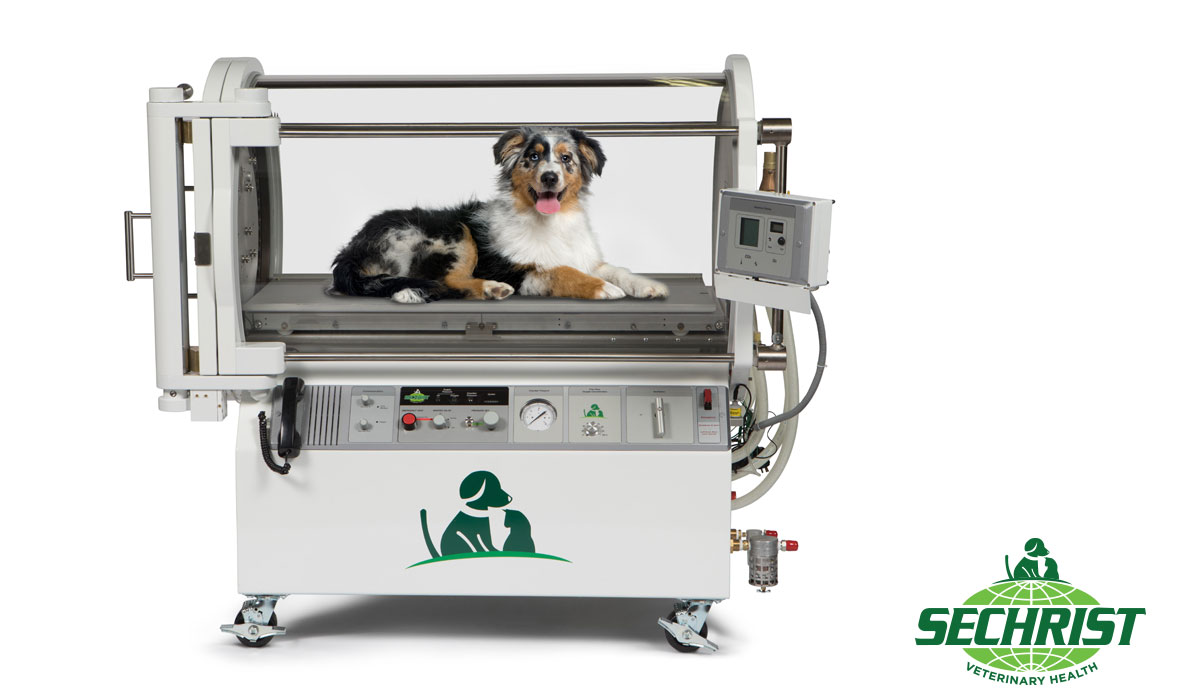
In order to administer hyperbaric oxygen therapy in animals with pancreatitis, you need to use hyperbaric chambers. This is where an important issue arises, as you need to make sure that you can actually trust the chambers that you are using. That essentially means being able to trust the supplier, and that’s why it is so vital that you make a point of choosing your supplier carefully. What’s more, there are a range of types of chamber that you will be able to choose between, and you will need to make sure that you know what type you need and when.
For most veterinary practices, it is a good idea to simply have a stock of a range of hyperbaric chamber sizes and types. That way, you will be able to treat those animals who need it in a variety of scenarios, no matter what their underlying problem might be. And in the case of any animals coming in with pancreatitis, you will be able to treat them as quickly and efficiently as possible. Make sure to source your chambers well for these reasons.
The Impact On Your Practice
It is important for your practice that you find the right supplier for your hyperbaric chamber, as you want to make sure that you keep your reputation up as a practice. As long as you are using the right chamber, that also means that you are providing the best possible care you can. That in turn ensures that you will get more and more veterinary referrals, and so keep your practice going strong while also keeping your customers and clients happy along the way. Clearly, it is important to find good quality hyperbaric chambers for these reasons. We are happy to offer the best on the market at a range of sizes, so if you are in need of some chambers don’t hesitate to call us today at (888) 748-3801 or email us on info@sivethealth.com to find out more.
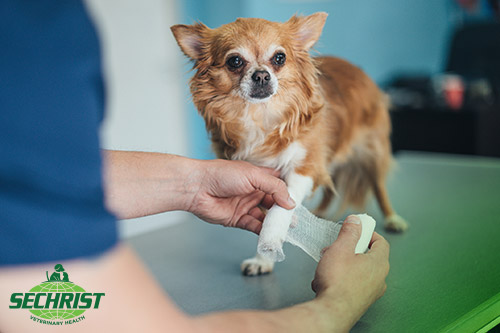 A burn is often described as a zone of coagulation, surrounded by an area of stasis, and bordered by erythema. This process has been known to alter macrophage function, mostly during the first 12 to 24 hours after the burn having taken place. The injury can sometimes be in a kind of flux for up to 72 hours, partly because of the usual lack of oxygenation.
 Hyperbaric treatment is highly effective in reducing edema, decreasing fluid requirements, preserving dermal structures and generally increasing immune response. There is also a reduced mortality rate, something that your clients are going to be particularly concerned about of course, and which as a practice you will be keen to manage as well. It also makes it less likely that the animal will have to stay in for surgery in order to heal from the burn.
 We have two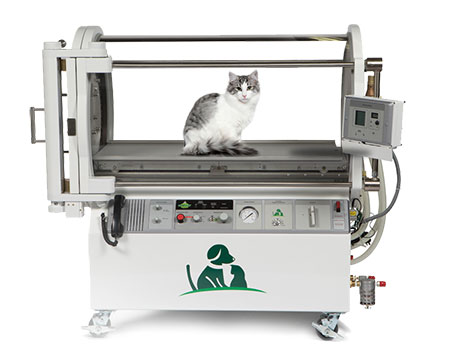
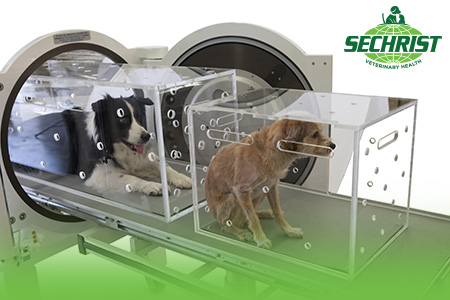 By now you may be wondering if you should start looking for a
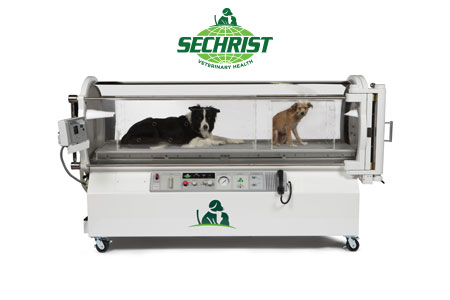 Any veterinarian who has dealt with a case of Acute Respiratory Distress first-hand knows how awful it can be. If those pets have any chance at all, it is by your investment in a veterinary hyperbaric oxygen therapy chamber. It may not be cheap, but because oxygen is such an important element and the fact this machine can administer it as if it were an intravenous fluid means it can be a lifesaver. It has the effect of giving the patient an almost instant ability to breathe and stay alive. Also, veterinary hyperbaric oxygen therapy helps the patient recover from the underlying condition more quickly, as well. This is due to the fact that oxygen is vital in repairing the body. So, the next time one of your patients come in suffering from ARDS, instead of watching them die by uselessly using outdated technology, put them immediately in the HBOT chambers for pets. You then have a much better chance of saving that life instead of watching it fade away.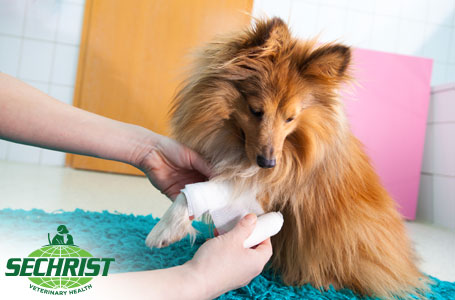
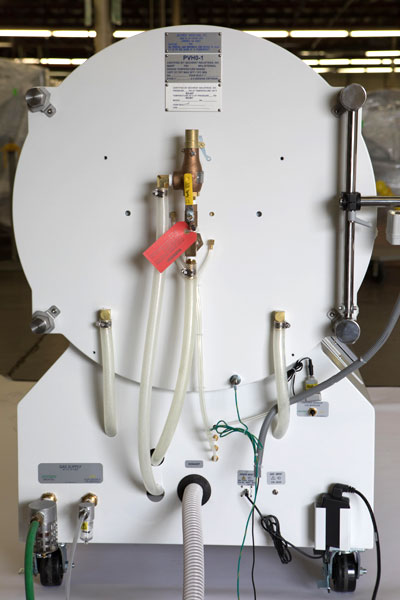 Hyperbaric animal chambers are incredible pieces of technology, but in order to perform at the highest level, they need to be installed and set up in the right manner. Failure in any of these areas compromises their quality and has an impact during treatments. If you want to provide pets with the best support during their recoveries, only a professional installation will suffice.
 Quite simply, when your clients are worried about their pets, yours is the only name that comes to mind.
 Hyperbaric medicine has a great deal to offer pets and their owners. One of the most appealing aspects of Hyperbaric medicine is its versatility. Veterinary Hyperbaric chambers have been utilized to treat a range of illnesses and injuries by veterinary practices the world over. They have been used to aid a pets’ recovery from many different ailments including cuts, crush injuries, burns, septic peritonitis, snake bites and even food aspiration associated problems.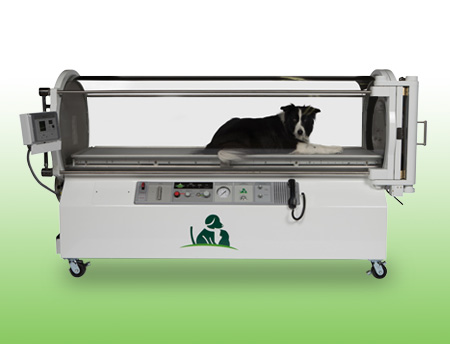
 As stated above, HBOT expedites the healing process through an increase in the amount of oxygen delivered to the tissues of a wound. With increased amounts of oxygen in their bloodstream an animal’s body is able to fight off infections faster, increase the growth of new tissue, and reduce the swelling and inflammation of wounds.
 Hyperbaric oxygen therapy can be used to treat pets of various sizes. Everything from Horses, goats, cats and dogs have been treated using hyperbarics. .
 The concept of hyperbaric medicine is fairly straightforward despite its profound therapeutic effects. Veterinary
  Secondly,
  Some owners dislike when their pets are required to take medicine or undergo complicated surgical procedures. They’d often prefer a less intrusive option that allows for the animal to heal naturally. The pure oxygen environment stimulates this process and gives the animal a chance to heal on its own. .